

All
- All
- Product Management
- News and Information
- Introduction content
- Enterprise outlets
- Frequently Asked Questions
- Corporate Video
- Company Portfolio
Precautions for Using the Asphalt Penetration Tester
2020-03-18
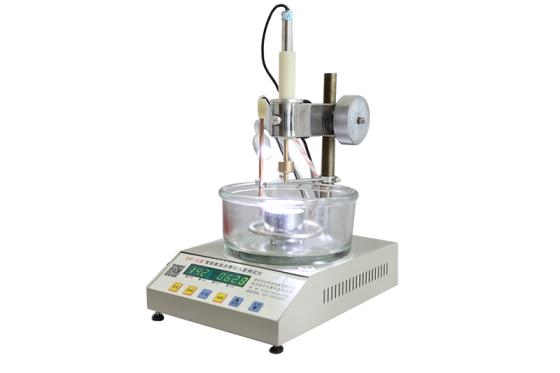
The penetration tester for asphalt is primarily used to determine the penetration of viscous petroleum asphalt, viscous shale asphalt, liquid petroleum asphalt, and the residue remaining after distillation or emulsification of asphalt materials. Asphalt penetration refers to the depth to which a standard needle of specified weight penetrates vertically into the sample under prescribed time and temperature conditions. The new computer-controlled asphalt penetration tester is a measurement instrument developed using advanced digital displacement sensors in combination with microcomputer technology to measure asphalt penetration.
Points to note when using the asphalt penetration tester:
1. When using the equipment, carefully read the instruction manual to understand the technical specifications, operational performance, usage methods, and precautions. Strictly follow the procedures outlined in the instrument’s user manual.
2. Before each experiment, the water temperature in the保温皿 should be checked and adjusted. After the experiment, the installed standard needles should be removed, cleaned with cotton or cloth soaked in solvent benzene or gasoline, then dried thoroughly with cotton or cloth and stored in a dry place.
3. Personnel using the equipment for the first time must operate it under the guidance of experienced personnel and may only perform independent operations once they have become proficient.
4. During the experiment, if the needle linkage falls down, simply gently push the measuring rod upward into place to automatically relock it—do not apply excessive force.
5. When placing the flat-bottomed thermal container or sample dish onto the work surface, do so gently and smoothly, avoiding any collisions with the countertop. It is especially important to prevent other metal objects from bumping against the workbench, as this helps maintain the levelness of the work surface.
6. The instruments, equipment, and components used in the experiment should be arranged reasonably and neatly, facilitating operation, observation, and data recording.
7. When the instrument’s operating channel is stored under normal conditions, it should be protected by a thin layer of oil.
8. After the experiment, clean the workbench and sensor probe thoroughly, then cover the instrument with a clean cloth cover.
9. If the power supply voltage is unstable and your device “freezes,” the buttons will become unresponsive. In this case, turn off the power, wait for 3 seconds, and then restart the device to get it back up and running.
10. After the needle linkage has been disassembled and inspected, use the manual installation method for the needle rod: Turn on the power, press the “Manual” button, and gently insert a Phillips screwdriver slightly thinner than the needle rod through the lower hole to a depth of about 2 cm, then remove it. Next, gently insert the upper end of the needle rod through the lower hole. If you encounter resistance, use the Phillips screwdriver again to reposition the internal needle rod assembly. Do not force the needle rod in, as this could damage the sensor.
Relevant Information

The main advantages of the penetration tester are:
The main advantages of the penetration tester are:
2023-11-02

The working principle of the compaction apparatus mainly includes the following points:
The working principle of the compaction apparatus mainly includes the following points:
2023-10-23

The compaction instrument is a device used to measure the bearing capacity of bored pile foundations. Its main features are as follows:
2023-10-13