

- All
- Product Management
- News and Information
- Introduction content
- Enterprise outlets
- Frequently Asked Questions
- Corporate Video
- Company Portfolio
Application and Operating Procedures for the Asphalt Softening Point Tester
2020-09-16
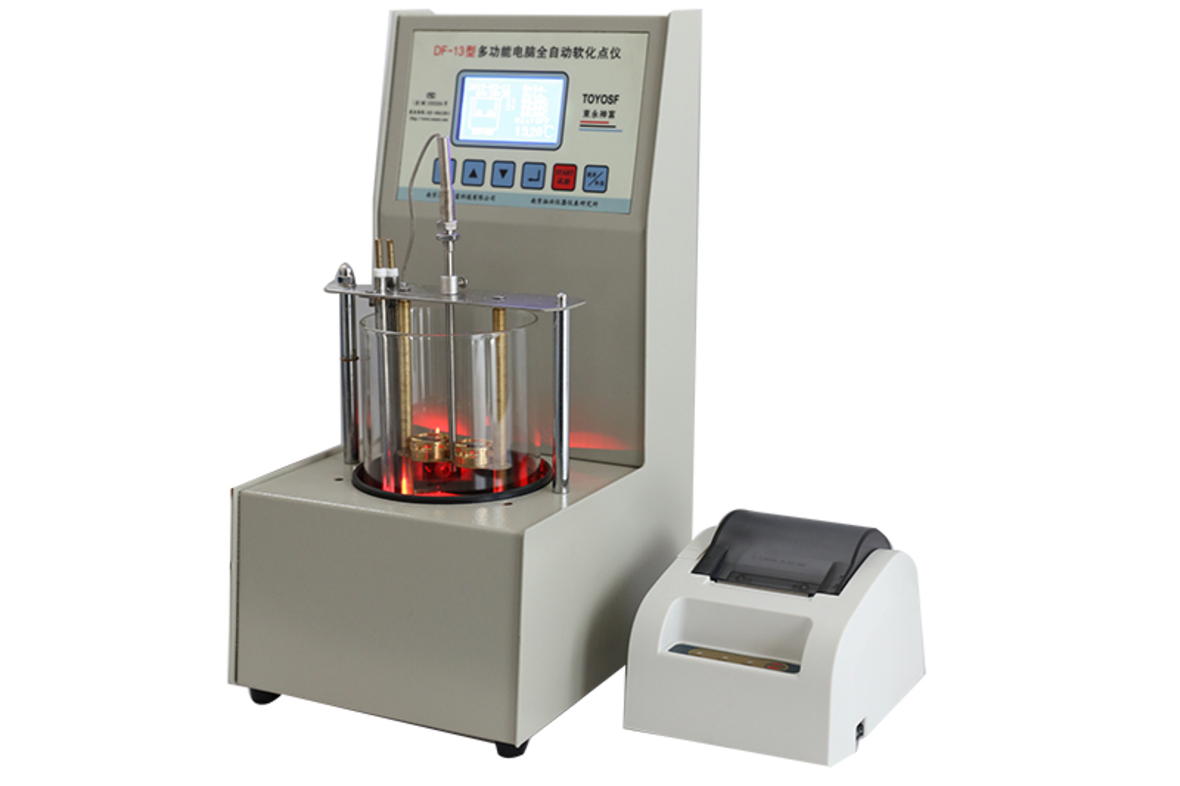
The asphalt softening point tester is used to determine the softening points of various types of asphalt, including road petroleum asphalt, coal tar asphalt, and liquid petroleum asphalt. It can also be used to test the softening points of related materials such as resins and oils. This instrument is the preferred choice for asphalt-producing and -using enterprises, relevant colleges and universities, research institutions, and testing laboratories in various related industries for measuring softening points. The asphalt softening point tester is employed to measure the elongation of asphalt materials of various specifications and models, as well as the residue left after distilling liquid asphalt and the evaporative residue from asphalt emulsions. It is widely utilized in road construction and research institutions, and is particularly suited for testing modified asphalt products, conforming to standards set by the Ministry of Transport.
The asphalt softening point tester features a floor-standing, monolithic structure with a rectangular exterior. The instrument uses a stainless steel plate as the bath chamber, and beneath the chamber are electric heating and refrigeration evaporators. At the base of the upright columns is a closed refrigeration system comprising a compressor, fan, and other components. On the upper right side is the control system. This asphalt softening point tester is used to determine the penetration of residual materials left after distillation or emulsification of road petroleum asphalt, liquid petroleum asphalt, or emulsified asphalt. Place a flat-bottomed glass dish containing the sample onto the platform of the penetration tester, then slowly lower the needle rod until the tip of the needle just touches the surface of the sample, and set the scale to zero.
Operating procedure for the asphalt softening point tester:
1. When using the asphalt softening point tester, carefully read the technical manual, familiarize yourself with the technical specifications, operational performance, usage methods, and precautions, and strictly follow the step-by-step instructions provided in the instrument’s user manual.
2. Personnel using the asphalt softening point tester for the first time must operate under the guidance of a trained operator and may only perform independent operations once they have become proficient.
3. The instruments, equipment, and materials used in the experiment should be arranged reasonably and neatly, facilitating operation, observation, and data recording.
4. Before powering on electronic instruments and equipment, ensure that the supply voltage matches the instrument’s specified input voltage. Instruments and equipment equipped with three-wire power plugs must be plugged into power outlets with protective grounding to ensure safety.
5. When using the asphalt softening point tester, the input signal or external load must be kept within the specified range; overloading is strictly prohibited.
6. Optical and chemical instruments and their accessories should be handled with care to avoid vibrations. Never touch the surfaces of optical glass with your hands. If dust or dirt is found, do not wipe it off with your hands or a cloth; instead, use specialized cleaning products or tools designed specifically for this purpose.
7. The asphalt softening point tester should not be operated or used in magnetic or electric fields. Shielding measures must be taken to prevent damage to the instrument or reduction in measurement accuracy.
8. Before using mechanical instruments and equipment, be sure to run them under no-load conditions to ensure they are free of malfunctions before applying any load. Lubricate them before use and wipe them clean after use.
Relevant Information

The main advantages of the penetration tester are:
2023-11-02

The working principle of the compaction apparatus mainly includes the following points:
2023-10-23

2023-10-13