

All
- All
- Product Management
- News and Information
- Introduction content
- Enterprise outlets
- Frequently Asked Questions
- Corporate Video
- Company Portfolio
What should I pay attention to when using an asphalt softening point tester?
2021-01-29
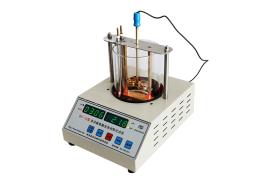
The asphalt softening point tester features a benchtop design that is both rational, innovative, and aesthetically pleasing, and it is easy to operate. The beaker is made of high-temperature-resistant glass, and its specifications—including the heating rate, the steel ball positioning ring, and the steel ball itself—comply with the requirements stipulated by the relevant standards. The water bath is equipped with an automatic stirring device and uses a digital display to indicate time and temperature. It can simultaneously test two samples, making testing convenient and ensuring reliable results.
Basic components of the asphalt softening point tester:
The instrument consists of a heated beaker, a sample holder, a heating tube, and a magnetic stirring device.
Equipped with magnetic stirring and variable-speed control; the beaker features a built-in heating element adjustable via voltage.
The regulator is adjusted to achieve the specified heating rate.
Precautions for using the asphalt softening point tester:
1. When using the equipment, carefully read the technical manual, familiarize yourself with the technical specifications, operational performance, usage methods, and precautions, and strictly follow the step-by-step instructions provided in the instrument’s user manual.
2. Personnel using the equipment for the first time must operate it under the guidance of experienced personnel and may only perform independent operations once they have become proficient.
3. The instruments, equipment, and materials used in the experiment should be arranged reasonably and neatly, facilitating operation, observation, and data recording.
4. Before powering on electronic instruments and equipment, ensure that the supply voltage matches the instrument’s specified input voltage. Instruments and equipment equipped with three-wire power plugs must be plugged into power outlets with protective grounding to ensure safety.
5. When using the device, its input signal or external load should be kept within the specified range; overloading is strictly prohibited.
6. Optical and chemical instruments and their accessories should be handled with care to avoid vibrations. Never touch the surface of optical glass with your hands. If dust or dirt is found, do not wipe it off with your hands or a cloth; instead, use specialized cleaning products or tools designed specifically for this purpose.
7. The equipment should not be operated or used in magnetic or electric fields; shielding measures must be taken to prevent damage to the instruments and equipment or to avoid a reduction in measurement accuracy.
8. Before using mechanical instruments and equipment, be sure to run them under no-load conditions first to ensure they are free of malfunctions before applying any load. Lubricate them before use and wipe them clean after use. Pay special attention to the daily maintenance and upkeep of computer-controlled asphalt softening point testers.
Basic components of the asphalt softening point tester:
The instrument consists of a heated beaker, a sample holder, a heating tube, and a magnetic stirring device.
Equipped with magnetic stirring and variable-speed control; the beaker features a built-in heating element adjustable via voltage.
The regulator is adjusted to achieve the specified heating rate.
Precautions for using the asphalt softening point tester:
1. When using the equipment, carefully read the technical manual, familiarize yourself with the technical specifications, operational performance, usage methods, and precautions, and strictly follow the step-by-step instructions provided in the instrument’s user manual.
2. Personnel using the equipment for the first time must operate it under the guidance of experienced personnel and may only perform independent operations once they have become proficient.
3. The instruments, equipment, and materials used in the experiment should be arranged reasonably and neatly, facilitating operation, observation, and data recording.
4. Before powering on electronic instruments and equipment, ensure that the supply voltage matches the instrument’s specified input voltage. Instruments and equipment equipped with three-wire power plugs must be plugged into power outlets with protective grounding to ensure safety.
5. When using the device, its input signal or external load should be kept within the specified range; overloading is strictly prohibited.
6. Optical and chemical instruments and their accessories should be handled with care to avoid vibrations. Never touch the surface of optical glass with your hands. If dust or dirt is found, do not wipe it off with your hands or a cloth; instead, use specialized cleaning products or tools designed specifically for this purpose.
7. The equipment should not be operated or used in magnetic or electric fields; shielding measures must be taken to prevent damage to the instruments and equipment or to avoid a reduction in measurement accuracy.
8. Before using mechanical instruments and equipment, be sure to run them under no-load conditions first to ensure they are free of malfunctions before applying any load. Lubricate them before use and wipe them clean after use. Pay special attention to the daily maintenance and upkeep of computer-controlled asphalt softening point testers.
Relevant Information

The main advantages of the penetration tester are:
The main advantages of the penetration tester are:
2023-11-02

The working principle of the compaction apparatus mainly includes the following points:
The working principle of the compaction apparatus mainly includes the following points:
2023-10-23

The compaction instrument is a device used to measure the bearing capacity of bored pile foundations. Its main features are as follows:
2023-10-13